Optimising Thermal Efficiency with Double Glazing in South Africa
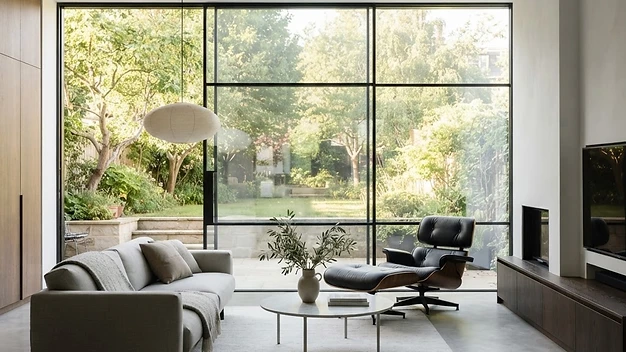
Discover how upgrading to double glazing improves thermal comfort and energy efficiency in South African homes and commercial projects.
As South African building standards shift towards more sustainable practices, the role of high-performance glass has moved from a luxury to a necessity. Installing double glazing is one of the most effective ways to regulate internal temperatures, reduce reliance on artificial heating and cooling, and dampen ambient noise in dense urban environments. While many clients initially view double glazing as a cost-heavy upgrade, its long-term benefits in energy savings and structural comfort are significant.
Understanding the Mechanics of Double Glazing
Double glazing consists of two panes of glass separated by a spacer bar, creating a hermetically sealed cavity filled with either dehydrated air or an inert gas like Argon. This gap acts as a thermal break, significantly reducing the U-value—a measure of how much heat passes through the glass. In South African climates, where temperature fluctuations can be extreme between day and night, this system creates a buffered interior environment. By using a 6mm outer pane and a 4mm inner pane with a 12mm or 16mm gap, you achieve a noticeable improvement in thermal insulation compared to standard 4mm single-glazed float glass.
The Role of Low-E Coatings and Tinting
For maximum effectiveness in our high-UV environment, the choice of glass type within the double-glazed unit is critical. Low-Emissivity (Low-E) coatings are microscopic metallic layers applied to the glass that reflect long-wave infrared radiation. By reflecting heat back outside in the summer and retaining internal warmth in the winter, Low-E glass works in tandem with the double-glazed gap to optimise performance. For western-facing elevations, incorporating a neutral-toned solar control tint can further reduce heat gain without sacrificing natural light. Integrating these technologies is essential for compliance with SANS 10400-XA energy efficiency requirements.
Addressing Noise Reduction and Acoustic Comfort
Beyond temperature regulation, double glazing serves as an excellent acoustic barrier. In busy metropolitan areas or properties near main arterial roads, single-pane glass often fails to block low-frequency traffic noise. The combination of varied glass thicknesses—for instance, using a laminated glass pane on the exterior—increases the sound transmission class (STC) rating. This asymmetric construction disrupts sound waves more effectively than two identical panes, providing a quiet, peaceful interior even in high-traffic zones.
Practical Guidance for South African Procurement
When specifying double glazing for a project, consider these factors to balance budget and performance:
- Frame Selection: Ensure your aluminium frames feature a proper thermal break. Even the best double glazing loses efficiency if housed in a frame that conducts heat.
- Spacer Technology: Specify warm-edge spacers rather than traditional aluminium spacers to prevent cold bridging at the edges of the glass unit.
- Budgeting: While double glazing typically increases window costs by 30% to 50% compared to single glazing, the ROI is realised through reduced electricity consumption for air-conditioning.
- Maintenance: Verify that the secondary seal of the unit is high-quality butyl or silicone; moisture ingress (fogging) is usually a sign of seal failure rather than glass quality.
- Site Conditions: If the window span exceeds 2 metres in height, ensure the glass thickness is specified correctly to prevent deflection under wind load, as per SANS 10160-3 standards.