Mastering Aluminium Sliding Door Hardware: Selecting Durable Components for Coastal and High-Traffic Environments
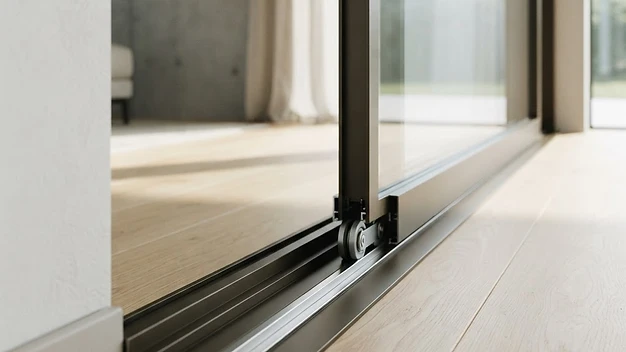
Ensure longevity for your sliding doors by selecting the right hardware. Learn how to navigate corrosion resistance and weight load requirements.
For residential and commercial sliding doors, the aluminium profile is only as reliable as the hardware that supports it. While architects often focus on frame sightlines, the longevity of a door system is governed by the quality of rollers, tracks, and locking mechanisms. In the South African climate, where coastal salt spray and inland temperature fluctuations stress mechanical components, choosing the correct hardware is critical to avoiding maintenance headaches. Ensuring that every component meets the specific load-bearing requirements of the glazing panel is the first step in successful installation. High-traffic residential sliders or heavy-duty commercial terrace doors require hardware that minimizes friction while maintaining smooth operation over thousands of cycles.
Material Selection and Corrosion Resistance
Selecting the correct finish and base material for your rollers and tracks is non-negotiable for South African installations. In coastal regions located within 5 kilometres of the ocean, standard electro-galvanised steel components will inevitably succumb to rust. For these environments, specify marine-grade stainless steel (grade 316) for all exposed track screws and roller assemblies. While these components may carry a higher initial cost—often adding R1,200 to R2,500 to the total door set price—they prevent the common issue of track pitting and subsequent roller failure. Avoid mixing metals wherever possible; if your frame is anodised aluminium, ensure that the fasteners and guides are compatible to prevent galvanic corrosion.
Managing Weight Loads and Roller Dynamics
Modern architecture demands larger glazed panels, often exceeding 2,500 millimetres in height. These panels, when fitted with double glazing, can weigh upwards of 120 kilograms per leaf. Standard tandem rollers designed for lighter, 40-kilogram domestic doors will fail within months of installation. When specifying sliding doors, always match the roller assembly to the panel weight. Look for adjustable tandem roller carriages that feature nylon-tyred wheels with sealed precision bearings. Nylon tyres are preferred over steel in residential applications because they offer a quieter, smoother glide and prevent the metal track from deforming over time. Always verify the maximum load capacity stipulated by the manufacturer’s datasheet before proceeding with procurement.
Precision Alignment and Track Maintenance
Even the highest quality hardware will fail if the track is not perfectly level. SANS 10400-N dictates that structural openings must accommodate thermal expansion and contraction; failure to account for this often results in the header track sagging or the sill bowing. A discrepancy of as little as 3 millimetres across a 2,000-millimetre span is sufficient to cause binding or derailment. Regular maintenance is equally important for the end-user. To extend the life of your hardware, consider the following routine:
- Vacuum debris: Ensure tracks are cleared of sand and grit every three months, especially in windy regions.
- Lubrication: Use only silicone-based sprays; oil or grease-based lubricants attract dust and create a grinding paste that wears down rollers.
- Alignment checks: Periodically test the door for "drift" when left partially open; if it moves on its own, your track is likely no longer level.
Practical Takeaway Guidance for South African Buyers
When procuring sliding door hardware, avoid the "standard" kits often bundled with entry-level profiles. Instead, insist on modular systems that allow for field replacement of parts. If you are an installer, confirm the availability of service kits for the specific roller carriages you choose. If you cannot find replacement rollers for a specific system, do not specify it, as repairability is the greatest indicator of a high-quality product. Ensure the locking mechanism engages at at least two points on the frame to prevent the door from bowing under wind load—a common issue for large-format doors during South African high-wind events. Finally, always budget for high-quality bumpers or door stops; sudden impacts against the door frame are the leading cause of roller carriage fatigue and alignment loss.